Venice: A Paradigm Shift in Urban Living
Exploring Venice, a city built on water, and understanding how it defies the typical structure of classical cities in Italy and the rest of the world.
Introduction
Visiting Venice is not just a trip to another beautiful Italian city; it is an immersion into a completely different paradigm of urban existence. Unlike almost any other metropolis in the world, Venice challenges the very foundation of what we consider a “city.”
The Absence of the Automobile
In classic cities around the globe—from Rome to New York to Tokyo—the infrastructure is fundamentally shaped by the automobile ( and as a cur guy I really appreciate that ). Broad avenues, traffic lights, parking lots, and the constant hum of engines dictate the rhythm of daily life.
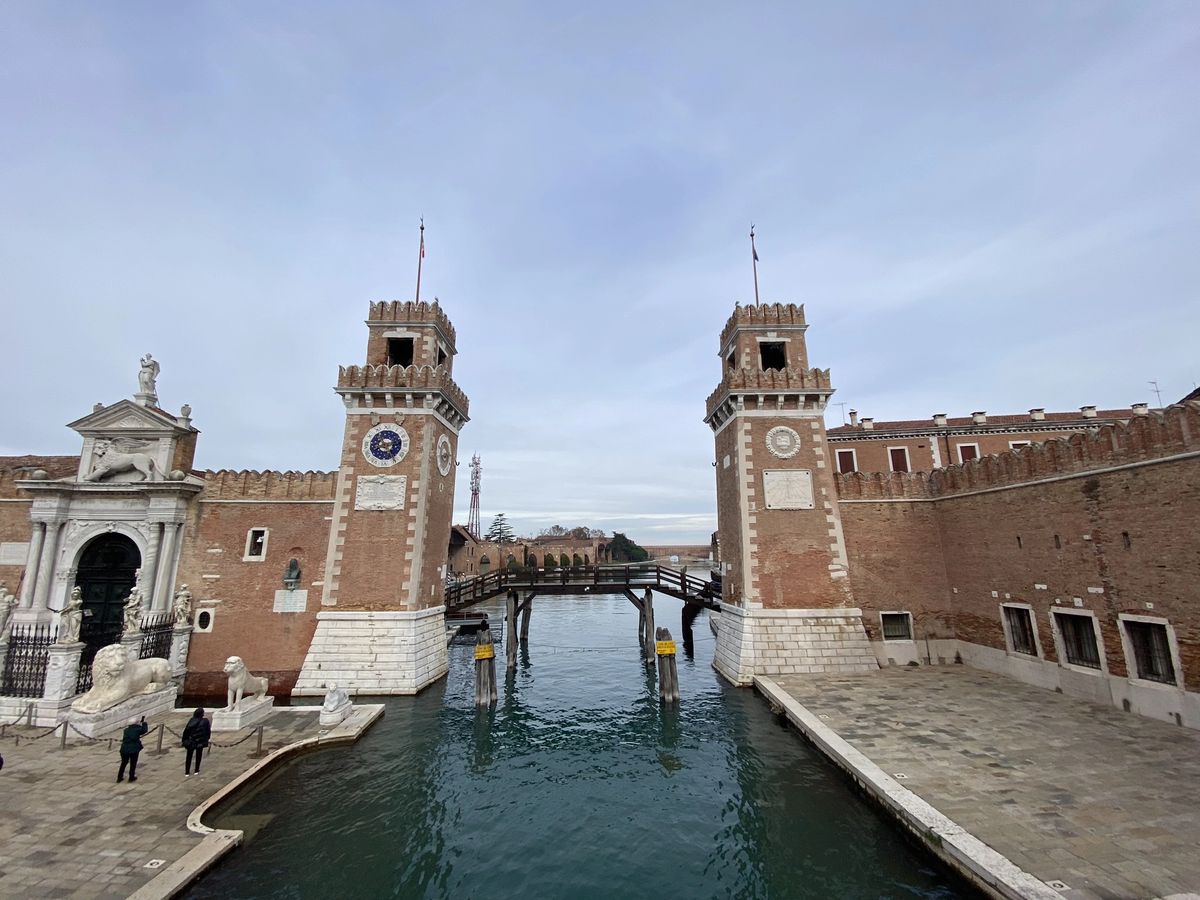
Venice, however, represents a profound break from this model. The moment you step off the train at Santa Lucia station, you are greeted by an extraordinary silence, punctuated only by the lapping of water and the hum of human conversation. The streets are canals, and the cars are boats. This complete absence of wheeled vehicles changes the entire sensory experience of the city.
A Labyrinth Built on Water
Traditional cities often follow grid patterns or radiate outward from central hubs, designed for efficient land-based transportation. Venice is a labyrinth. Built on a series of 118 small islands separated by canals and linked by over 400 bridges, its layout defies straightforward navigation.
Getting lost in Venice is not merely an accident; it is an essential part of the experience. The narrow alleys (calli) suddenly open up into beautiful squares (campi) anchored by historic churches and community wells. This organic, seemingly chaotic growth is a stark contrast to the planned urban sprawl seen elsewhere.
A Fragile Equilibrium
While Venice’s paradigm is enchanting, it is also fragile. The interplay between the city and the lagoon is delicate, threatened by rising sea levels and the overwhelming influx of tourism.
Unlike other historical cities that have adapted to modern infrastructure, Venice’s very structure limits its modernization. But perhaps that is precisely its charm. It stands as a living, breathing paradox: a triumphant feat of human engineering that remains entirely subservient to the water upon which it rests.